Dear friends of the Peace Academy,
We have come to the time for a new phase here at the Peace Academy. Our plans are to focus in the next period on establishing a study of peacebuilding practice in divided societies building on our experience and work in BiH. Within this framework, we are exploring a summer academy for 2020.
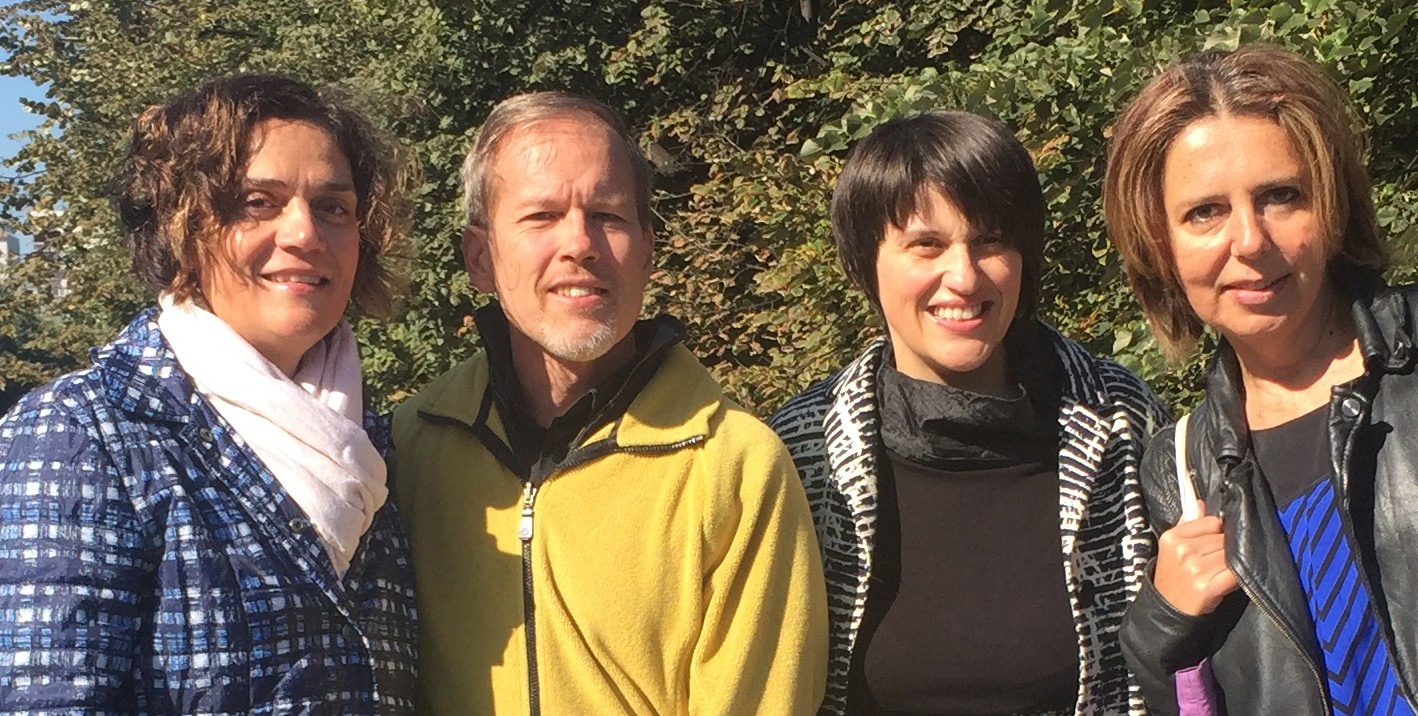
We are also saying goodbye to Slobodanka Dekić, Nebojša Šavija-Valha, Tamara Šmidling, and Emina Trumić who have been dedicated colleagues for many years. The energy of this existing group to move the Peace Academy forward has been reduced by professional, activist, and personal engagements. A new board has been formed which is made up of Nejra Čengić, Amela Puljek-Shank, and Azra Smailkadić-Brkić, all of whom have been closely involved with the Peace Academy’s programs. Together we hope to give the Peace Academy renewed energy and focus but which remains true to the values and mission on which we were established.
We are always happy to hear from those of you who were participants and collaborators in our programs until now. Please let us know if you would like to be involved in this new phase in any way.
Randall Puljek-Shank